

Curated Spaces · 4 min read
We often talk about peace of mind as an entirely internal pursuit. Yet we frequently overlook the most immediate, tangible influence on our daily mental state: the physical environment sitting right in front of us.
In high-end hospitality, nothing in a room exists by accident. The lighting, the scent in the lobby, the way a bed is turned down: every single detail is designed to induce an unconscious feeling of calm, order, and ease. Your home and personal workspace operate under the exact same law.
Visual friction and cognitive load
Every object in your field of vision demands a tiny fraction of your attention. The unopened mail, the chair that has become a wardrobe, the cables tangled behind the desk. Each one quietly registers as something unfinished, and together they become a persistent, low-level list of obligations your mind keeps rereading.
Clutter is not just a lack of organization; it is unresolved decision-making made visible.
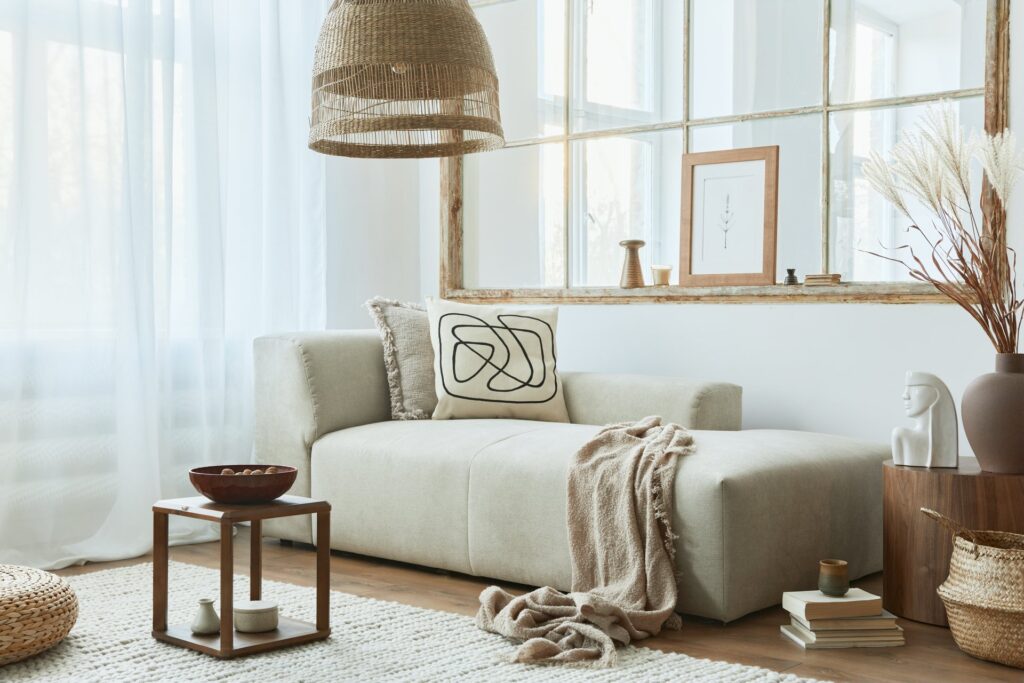
Curation vs. cold minimalism
Genuine clarity is not about emptiness; it is about intention. A bare room can feel just as unsettling as a crowded one. The goal isn’t to own less for its own sake. It is to ask, of every object you see daily: Does this earn its right to exist in my field of view? The things that stay should be useful, beautiful, or meaningful, and ideally all three.
Three principles to curate everyday clarity
- Audit your sightlines. Sit where you spend the most time and look at what you actually see first. Clear that line of vision before you tackle anything else; it is where visual friction costs you the most.
- Practise the “closing reset”. Hotels prepare a room before the guest returns. Give yourself the same courtesy: five minutes every evening to reset your key zones, so the morning starts in order instead of catch-up.
- Establish sensory anchors. Layer warm lighting, natural textures and a signature scent to signal to your body when it is time to rest and when it is time to do deep work.
You don’t need a renovation to feel the difference. You need a few deliberate choices, repeated until your space starts working for you instead of against you.